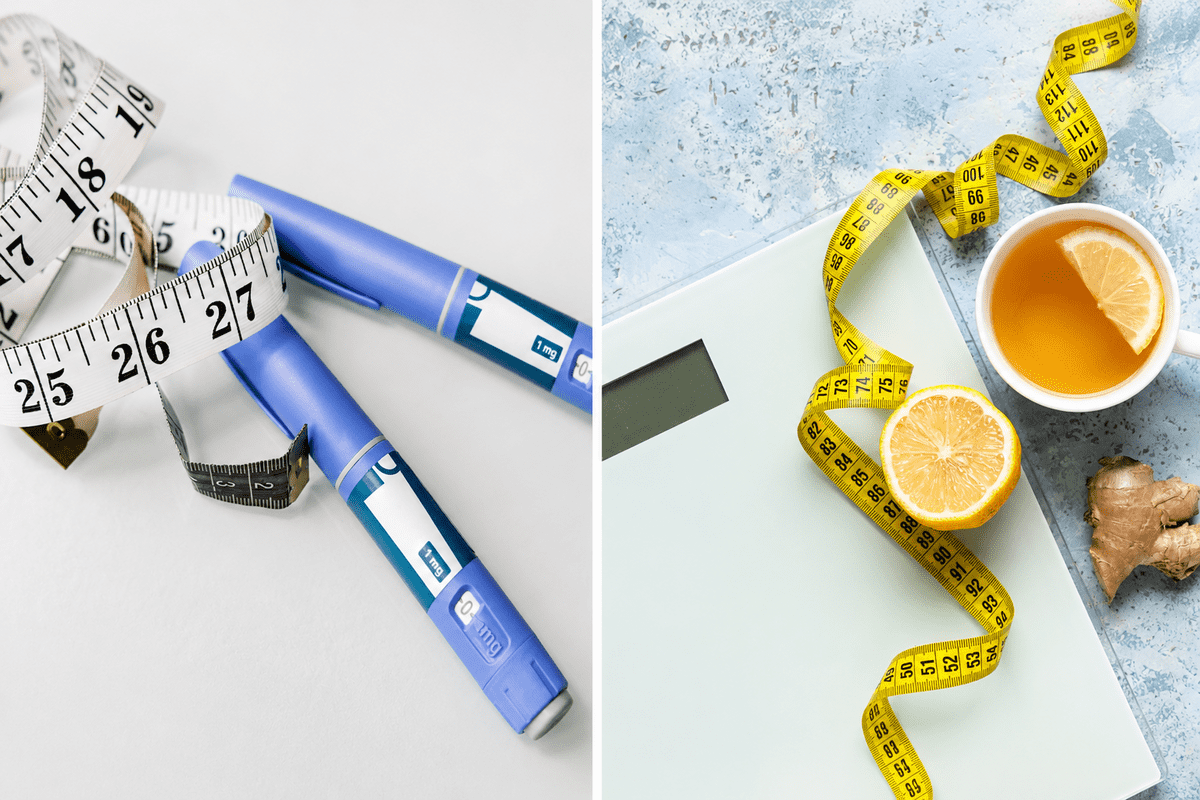
Medical Weight Loss in Jacksonville, FL
A physician-guided plan for adults who want lasting weight loss that is built around their health, not a one-size program. At St Johns Integrated Health we review your history and labs first, then decide with you whether medication, nutrition and lifestyle support are right for you.
- Medical evaluation and lab review before any prescription
- Prescription options discussed only if you may qualify
- Regular follow-up to monitor progress and side effects

What Is Medical Weight Loss?
Medical weight loss is weight management supervised by a licensed clinician. It starts with understanding why weight has been hard to lose, such as insulin resistance, thyroid or hormone changes, sleep, stress, medications or a long history of dieting, and then builds a plan around that.
Depending on your health and goals, a plan may combine nutrition guidance, physical activity, and, when appropriate, a prescription medicine for chronic weight management. Medication is a tool, not a shortcut, and it works best alongside habit changes. New to this? Start with What Is Medical Weight Loss and How Does It Actually Work? Hormone changes can also affect weight, so ask about hormone therapy for women or testosterone replacement therapy for men.
Results vary from person to person and are not guaranteed. Whether a medicine is appropriate depends on your medical history, current medications and lab results.
Evaluation first
We review your history, medications and goals, and order labs where needed.
A plan that fits you
Nutrition, movement and, if appropriate, medication are chosen together.
Follow-up built in
Check-ins track progress, side effects and any needed adjustments.

Why Weight Can Be Hard to Lose
Many adults do everything “right” and still struggle. A medical look can uncover contributors that diet and exercise alone do not fix:
- Insulin resistance or prediabetes
- Thyroid, hormone or menopause-related changes
- Sleep apnea, poor sleep or high stress
- Medications that affect appetite or weight
- Years of cycling through restrictive diets
- Cravings and hunger that feel hard to control
Common Signs and Symptoms That Point to Weight-Related Health Issues
Weight gain often accelerates in the 30s, 40s and 50s as metabolism slows and hormones shift, including perimenopause in women and falling testosterone in men. Clinicians generally consider medical weight loss when BMI is 30 or higher, or 27 or higher with a related condition such as high blood pressure or type 2 diabetes. These are the signs we hear about most.
Constant fatigue
Low energy that makes daily activity and exercise feel harder than it should.
Weight that will not budge
Gaining or holding weight despite honest effort with diet and exercise.
Constant hunger and cravings
Strong cravings, especially for sugar and carbs, and trouble feeling full.
Joint and back pain
Aching knees, hips and lower back from extra load on the joints.
Snoring and sleep apnea
Loud snoring, pauses in breathing and unrefreshing sleep.
Shortness of breath
Getting winded on stairs or short walks.
High blood pressure or cholesterol
Rising readings at checkups that point to metabolic strain.
High blood sugar
Elevated glucose, prediabetes or a family history of type 2 diabetes.
Acid reflux
Frequent heartburn, especially after meals or when lying down.
Low mood and confidence
Feeling discouraged, low or self-conscious about weight and appearance.
What Medical Weight Loss Can Help With
Benefits vary and are not guaranteed. In clinical studies of FDA-approved weight management medicines, people who also followed diet and activity changes lost more weight on average than with lifestyle changes alone.
Steady, supervised progress
A clinician adjusts your plan based on how you respond, rather than leaving you to guess.
Better health markers
For some people, weight loss can improve blood pressure, blood sugar and cholesterol. Your provider will track what matters for you.
Appetite and cravings support
Some prescription options reduce hunger and cravings, which can make healthy habits easier to keep.
Accountability and education
Regular visits keep you on track and help you build routines you can maintain after treatment.
Lasting weight loss is a medical and lifestyle project, not a quick fix.
Our approach: evaluate first, treat what is appropriate, and keep checking in.
Is Medical Weight Loss Right for You?
You may be a good candidate if you are an adult who:
- Has a BMI of 30 or higher, or 27 or higher with a weight-related condition such as high blood pressure, type 2 diabetes or high cholesterol
- Has tried diet and exercise without lasting results
- Is ready for regular follow-up and lifestyle changes
When we may recommend something different
- Personal or family history of medullary thyroid carcinoma or MEN 2 (a boxed warning for semaglutide and tirzepatide)
- History of pancreatitis, severe gallbladder disease or serious stomach problems
- Pregnant, nursing or planning pregnancy
- Allergy to the medicine or its ingredients
This list is not complete. Your provider will review your full history.

Medication Safety, Explained Plainly
Prescription weight management medicines such as semaglutide (Wegovy) and tirzepatide (Zepbound) are FDA-approved for chronic weight management in qualifying adults. Common side effects include nausea, diarrhea, constipation, vomiting and stomach discomfort. Less common but serious risks include pancreatitis, gallbladder problems and dehydration.
The FDA has warned that compounded and other unapproved GLP-1 products are not FDA-reviewed for safety, effectiveness or quality, and has reported dosing errors and adverse events with them.
Your Care Plan in Four Steps
Consultation
Review your history, goals and medications.
Labs and evaluation
Check the health markers that guide safe choices.
Your plan
Nutrition, movement and, if appropriate, a prescription.
Follow-up
Monitor progress, side effects and adjustments.
Weight Loss FAQs
How does medical weight loss differ from a diet program?
Am I eligible for weight loss medication?
What side effects should I expect?
How much weight will I lose?
Are compounded GLP-1 medicines the same as FDA-approved ones?
What happens if I stop the medication?
Can I combine weight loss with hormone therapy?
How do I get started?
RELATED READING
What Is Medical Weight Loss and How Does It Actually Work?
How Much Weight Can You Realistically Lose With Medical Weight Loss?
Semaglutide Side Effects: What to Expect and How to Manage Them
Semaglutide vs. Natural Weight Loss: Which Approach Is Right for You?
Weight Regain After Semaglutide: Why It Happens and What Helps
Which Is Better for Weight Loss: Semaglutide vs. Tirzepatide?
Sources: FDA, Wegovy (semaglutide) prescribing information · FDA, Concerns with Unapproved GLP-1 Drugs Used for Weight Loss · NCBI Bookshelf, StatPearls: Semaglutide. This page is for education and is not medical advice. Individual results vary.
Weight and BMI guidance: NIDDK, Adult Overweight and Obesity.

Serving Jacksonville, FL and Surrounding Communities
St Johns Integrated Health welcomes patients looking for medical weight loss from across Jacksonville and the surrounding First Coast communities.
Jacksonville neighborhoods: Downtown, San Marco, Riverside, Avondale, Ortega, Springfield, Murray Hill, San Jose, Mandarin, Southside, Baymeadows, Deerwood, Arlington, Intracoastal West, Westside and Northside.
Nearby cities: Jacksonville Beach, Neptune Beach, Atlantic Beach, Ponte Vedra Beach, Orange Park, Fleming Island, Green Cove Springs, Middleburg, St. Johns, St. Augustine, Fernandina Beach and Amelia Island.
Ready to Talk With a Provider?
Start with a consultation and a plan built around your health.